Security | Sep 12, 2026
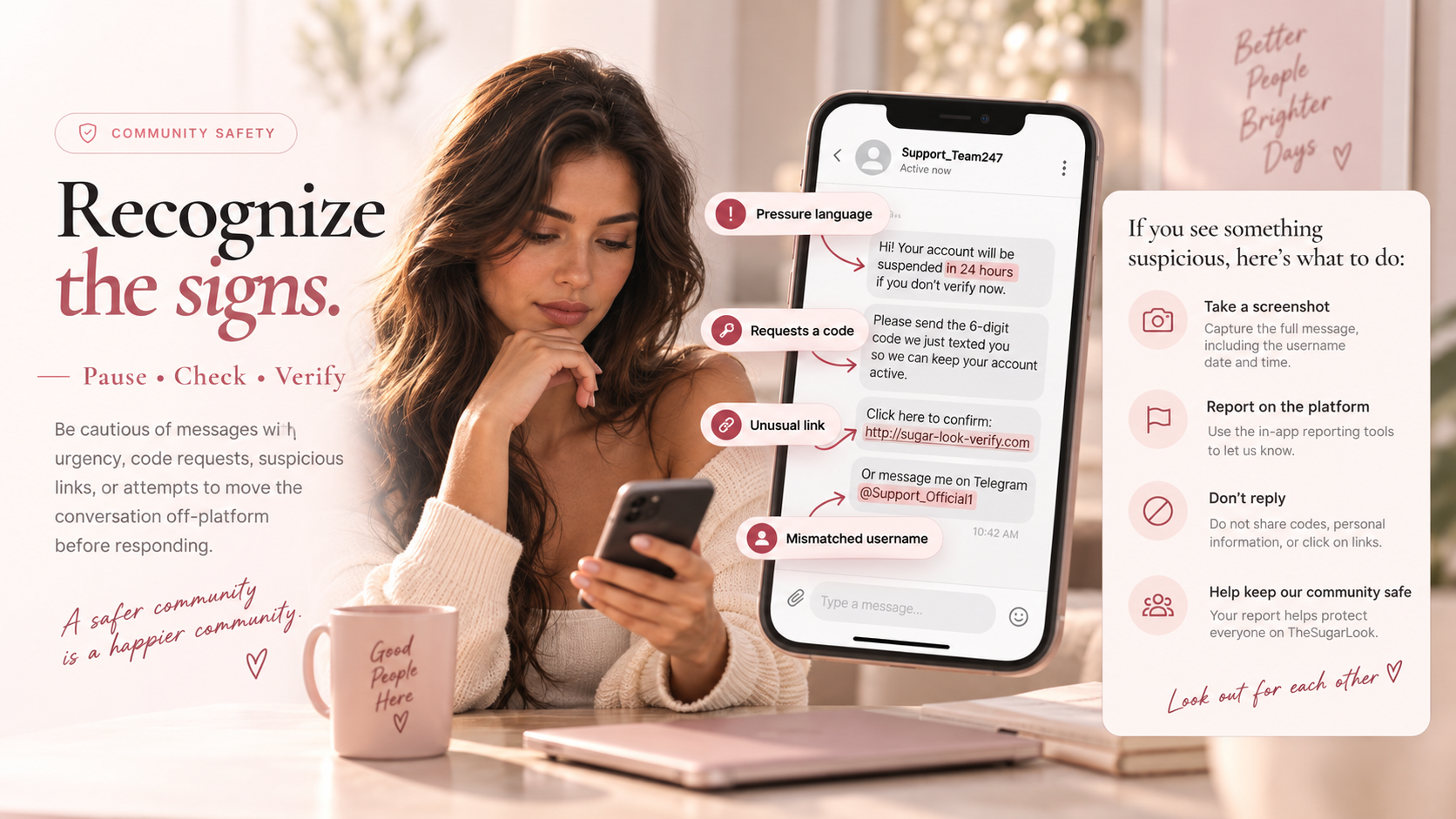
Most phishing attempts are variations of the same basic strategy: create enough fear or urgency that you act before checking whether the request makes sense. A message may claim that your account is about to be suspended, that verification has failed, or that you must make a payment immediately to restore access. Others try to move the conversation to email, text, Telegram, WhatsApp, or another service where platform protections no longer apply. Treat any request for your password, authentication code, recovery code, payment credentials, or login session as suspicious. Before following an account-related link, verify the issue through the platform itself rather than trusting the message. Look closely at usernames, domains, spelling, and unusual instructions. Do not assume a professional-looking logo or screenshot proves legitimacy. If something appears fraudulent, preserve the original message and report it rather than continuing the conversation. Recognizing the pressure tactic is often enough to stop the scam before it progresses.